Effective Therapy Documentation Tips
Therapy Documentation, Clinical Documentation, Mental Health Notes
Essential Tips for Effective Therapy Documentation
High-quality Therapy Documentation is more than a compliance requirement; it is a strategic tool for better care, smoother operations, and reduced risk. This article outlines how agencies and group practices can transform Mental Health Notes into actionable insights, avoid common EHR Pitfalls, and standardize Therapy Note Guidelines across teams.
From Static Records to Actionable Insights
Many organizations still treat Mental Health Notes as static narratives filed away after each session. To fully leverage Effective Therapy Tips, documentation must instead function as a dynamic decision-support tool. When notes clearly track progress, highlight risk, and connect interventions to outcomes, supervisors, clinicians, and leadership can quickly identify what is working and where to adjust care plans or resources.
Transforming therapy notes starts with structure. Standardized templates, consistent language, and clear linkage between goals, interventions, and client response allow data to be aggregated across caseloads. This supports outcome measurement, quality improvement projects, and more informed organizational decisions about programs, staffing, and training needs.
The Core Purpose of Therapy Notes
Clear Clinical Documentation serves several overlapping purposes for agencies and their clinicians. When defining Therapy Note Guidelines, it is useful to reinforce these purposes regularly so staff understand the “why” behind the requirements, not only the “what.”
Clinical continuity: Therapy Documentation ensures any provider can quickly understand history, risk factors, diagnoses, and current treatment focus to deliver safe, continuous care.
Risk management and legal protection: Well-written Mental Health Notes demonstrate clinical reasoning, adherence to standards of care, and timely response to risk, which is critical in audits, grievances, or legal review.
Compliance and reimbursement: Payers and regulators require documentation that supports medical necessity, appropriate level of care, and accurate coding to justify reimbursement and licensing.
Quality improvement: Aggregated notes inform program evaluation, outcomes reporting, and strategic planning across the organization.

Standardized notes help teams align care, monitor risk, and demonstrate measurable outcomes.
Key Components of Effective Therapy Documentation
Effective Therapy Tips often emphasize style and tone, but robust Clinical Documentation also depends on consistent content elements. Agencies can incorporate the following components into their templates and training to elevate documentation quality across the board.
Clear link to treatment plan: Each note should reference active goals or objectives, showing how the session content and interventions relate directly to the treatment plan.
Behaviorally specific observations: Describe what the client said, did, and expressed, rather than vague impressions. For example, “Client reported three panic attacks this week” is more useful than “Client seemed anxious.”
Interventions and clinical rationale: Document the specific techniques used (for example, cognitive restructuring, exposure planning, motivational interviewing) and why they were chosen in light of the client’s presentation and diagnosis.
Client response and progress: Note how the client engaged with interventions, any shifts in mood or insight, and concrete indicators of progress or setbacks relative to goals.
Risk assessment and safety planning: When applicable, document assessment of suicidality, self-harm, violence risk, or substance use, along with safety measures or referrals implemented during or after the session.
Plan and follow-up: Conclude with next steps, homework, referrals, coordination with other providers, and upcoming appointments to support continuity and accountability.
📌 Key Takeaway: Effective Therapy Documentation tells a concise, behaviorally grounded story that connects goals, interventions, client response, and next steps in a way that is defensible and easy to follow.
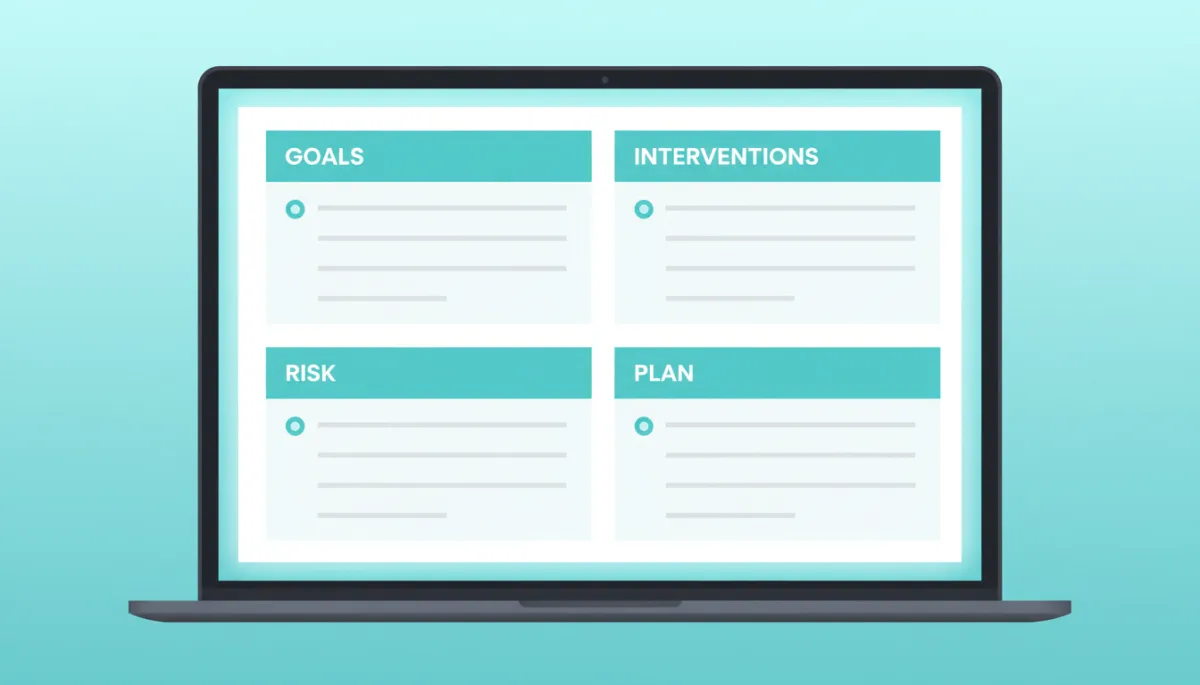
Structured templates guide clinicians to capture the most critical clinical details consistently.
Common EHR Pitfalls and Documentation Risks
Even with strong Therapy Note Guidelines, Electronic Health Record systems can introduce new challenges. Awareness of common EHR Pitfalls enables agencies to design workflows and policies that mitigate risk while preserving efficiency.
Overuse of copy-and-paste: Repeating identical Mental Health Notes across sessions can undermine clinical credibility, obscure change over time, and raise red flags in audits. Encourage clinicians to update narrative sections and progress indicators meaningfully for each encounter.
Checkbox-only documentation: While structured fields support reporting, relying solely on checkboxes can strip notes of nuance. Pair required fields with concise narrative sections that capture clinical reasoning and client context.
Inconsistent terminology: When different clinicians use different terms for the same symptoms, goals, or interventions, aggregate data becomes less reliable. Provide glossaries and example phrases to promote consistent language across the organization.
Delayed documentation: Notes completed long after sessions are more vulnerable to errors and omissions. Establish clear timelines and automated reminders to support same-day or next-day completion whenever possible.
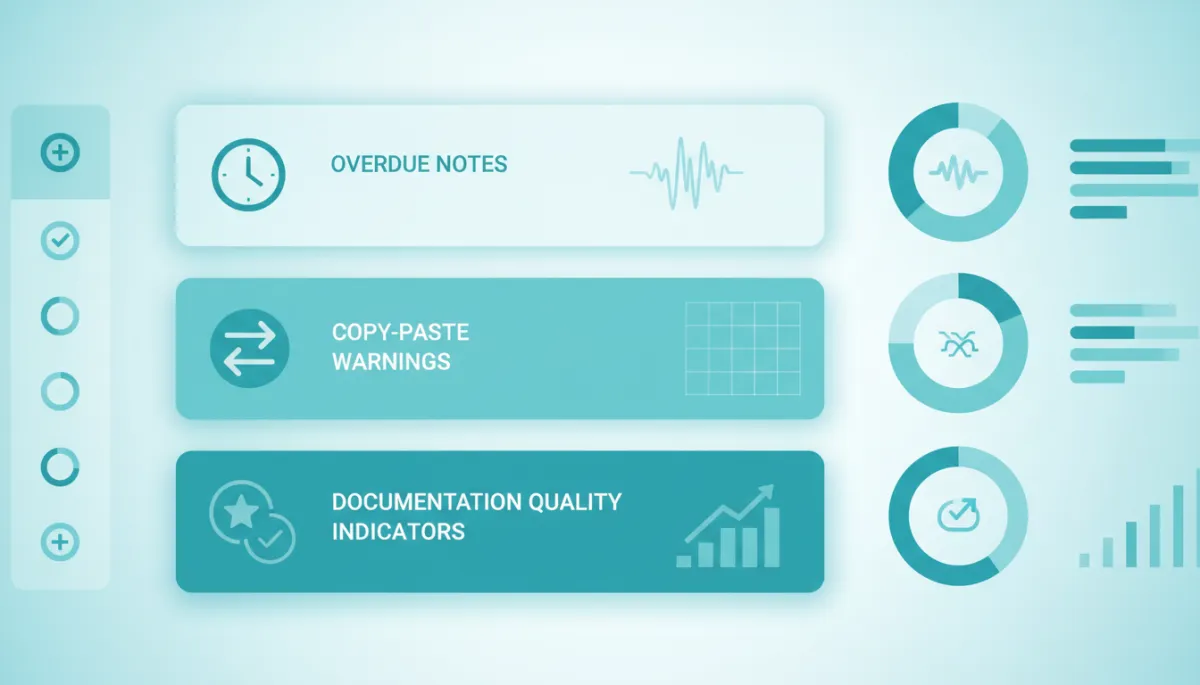
Smart EHR alerts can flag overdue notes and risky documentation patterns before they escalate.
⚠️ Warning: Convenience features in EHRs can quickly become liabilities if agencies do not pair them with robust policies, training, and periodic chart reviews.
Reflective Questions to Ensure Quality Notes
To embed Effective Therapy Tips into daily practice, encourage clinicians and supervisors to use brief reflective checklists before finalizing each note. These questions can also guide internal audits and peer review processes for Therapy Documentation and Clinical Documentation quality.
If another provider read this note tomorrow, would they clearly understand the client’s current presentation, goals, and risk level?
Does the note explicitly connect today’s interventions to the treatment plan and document the client’s response in behaviorally specific terms?
Have I documented any safety concerns, protective factors, and concrete steps taken to address risk during or after the session?
Would this note support medical necessity and appropriate level of care if reviewed by a payer, regulator, or legal entity?
Is the language professional, objective, and free of jargon, judgment, or unnecessary personal details that are not clinically relevant?
When businesses and agencies approach Therapy Documentation as a strategic asset rather than a paperwork burden, Mental Health Notes become a powerful engine for safer care, stronger outcomes, and more resilient organizations. By clarifying purpose, standardizing key components, addressing EHR Pitfalls, and building in reflective review, leaders can transform everyday documentation into actionable clinical and operational insight.